Climate warming and urban rat populations – New research
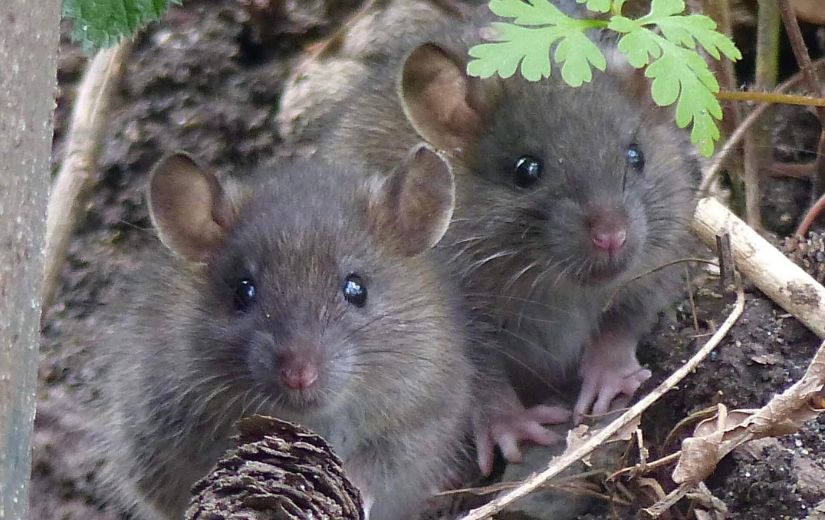
Are increasing rat populations in urban centers linked to climate warming?
We have all seen the headlines, and it is becoming less and less unusual to read or hear about increasing rodent populations.
However, surprisingly little formal research has been done to measure urban rat populations and put hard numbers onto our impressions of growth. This lack of long-term data has also made it difficult to determine the effectiveness (or lack) of control efforts.
How are rats impacted by climate change?
The activities of small mammals such as rodents are currently limited by cold winter temperatures in the northern hemisphere, therefore it makes sense that warming temperatures will increase the foraging and/or active breeding windows for rats, but this has largely remained unresearched – until now!
Using temperature, human population, and greenspace data along with public rat sightings and inspection data from multiple years in 16 cities in the global north, a new study examined whether these factors affect rat populations.
the strongest link found to increased rat numbers is the change in temperature in each city
The researchers found that a greater density of humans within cities does contribute to rat population increases, due to the associated increases in food waste and urban infrastructure providing more food and habitat sources.
However, the strongest link found to increased rat numbers is the change in temperature in each city. With cities already experiencing increased temperatures due to the urban heat island effect (when cities become hotter than nearby rural areas due to increased density of concrete/asphalt and decreased vegetation), there is a risk that further warming will also increase rat populations.
How are communities impacted by thriving rat populations?
When rats are thriving in areas of high human population density, negative impacts on people include damaged infrastructure, consumed or contaminated agriculture or food supplies, increased risk of diseases and parasites, and impact on the mental health of humans living in close proximity to rats.
The study discusses how increasing rat numbers may also alter urban food webs, with rats becoming a larger part of predator diets as their population increases. This means that it will be even more important to move rat control management away from toxic rodenticides to avoid harm to owls, eagles, cats, etc. who eat rodents.
What can cities do about increasing rat populations?
Global trends show more humans are moving to urban areas. The researchers noted that while actions to limit climate warming are beyond the control of cities, they can implement strategies to slow rat population growth.
The researchers identified the following strategies as being the most effective:
- Modern garbage and food waste management practices
- Regulations related to rodent exclusion building codes and removal of material that rats may use for harborage
- Allocating resources to rodent control, education, and surveillance
they identified that increased use of rodenticides was not associated with the decline of rat populations
They suggested that lessons should be learned from cities that were successful in seeing rat populations decline (New Orleans and Tokyo). Importantly, they also identified that increased use of rodenticides was not associated with the decline of rat populations.
What can individuals do about increasing rat populations?
The One Health/One Welfare approach recognizes that the health and well-being of animals, people, and the planet are closely intertwined – and this is also true for urban animals like rodents!
Prevention by removing food sources and making sure rodents can’t get into our buildings is the simplest way to humanely control rodent populations, and to avoid the use of harmful control methods. Prevention is also highly effective as it breaks the cycle of temporary fixes and recurring unwelcome guests. Learn about humane rodent control and how to prevent wildlife problems at home!
The BC SPCA has resources to help you evaluate and choose a wildlife and rodent control company to hire. Remember, there are animal-friendly methods available that any company can use – and as a customer, you can insist on them.
Ask questions, be informed, be choosy, and keep unwanted rodents out of your home while helping prevent animal suffering!
Read more about this new study at: https://doi.org/10.1126/sciadv.ads6782
References
Richardson, J. L., McCoy, E. P., Parlavecchio, N., Szykowny, R., Beech-Brown, E., Buijs, J. A., Buckley, J., Corrigan, R. M., Costa, F., DeLaney, R., Denny, R., Helms, L., Lee, W., Murray, M. H., Riegel, C., Souza, F. N., Ulrich, J., Why, A., & Kiyokawa, Y. (2025). Increasing rat numbers in cities are linked to climate warming, urbanization, and human population. Science advances, 11(5), eads6782. https://doi.org/10.1126/sciadv.ads6782